Broken Masts and Torn Sails
Strong wind could shred sails, snap spars, strain rigging, and leave a ship unable to control its movement. A damaged sail plan meant less steering, less speed, and more time exposed to danger.
Ancient sailors feared storms because storms turned every weakness into a verdict: bad rope, tired crew, overloaded cargo, cracked hull, poor timing, proud captain, late departure, ignored warning, and one very loud wave that had clearly been waiting for its moment.
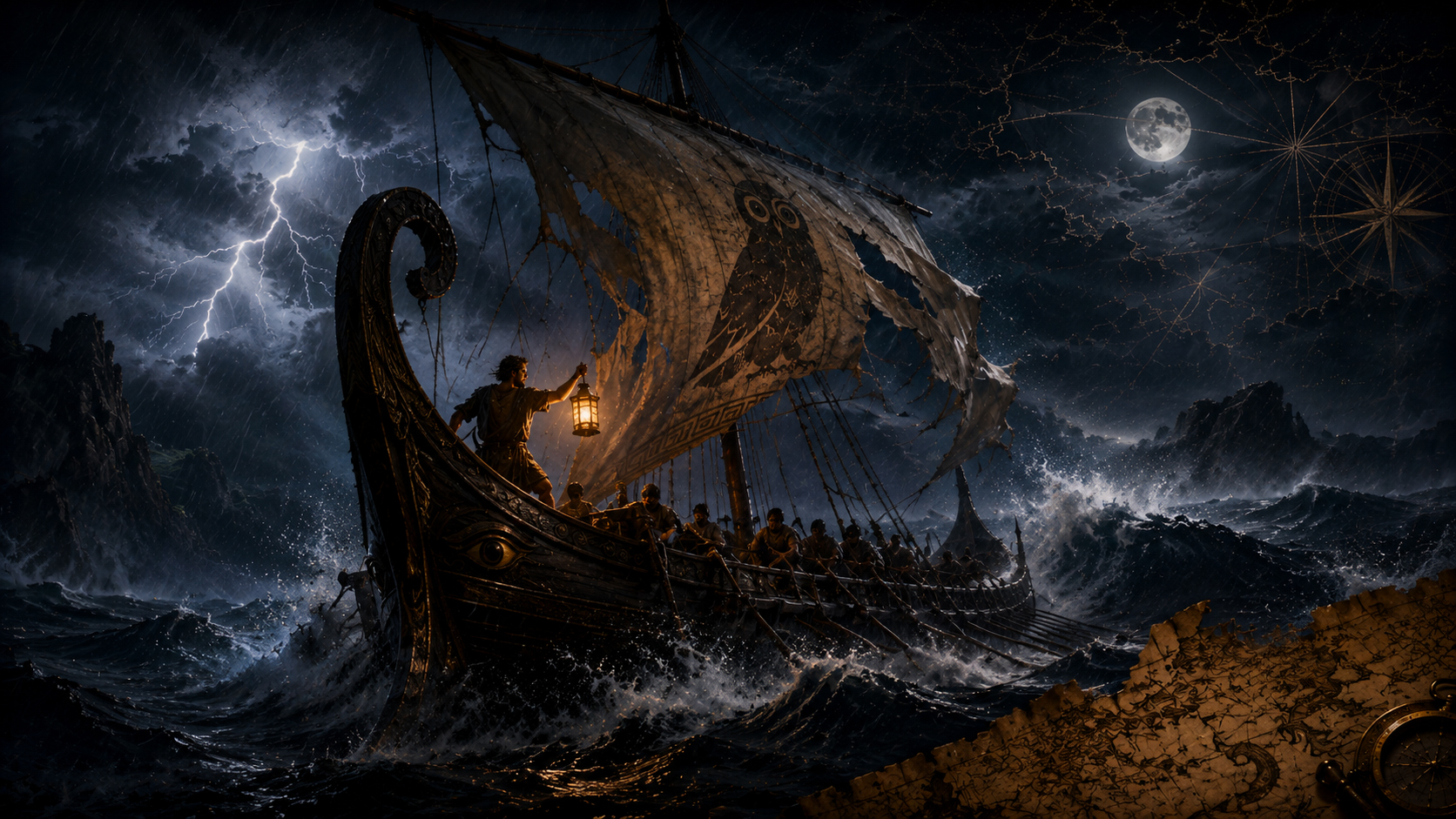
A storm could erase the horizon, break the mast, flood the hold, scatter a fleet, hide the stars, push a vessel off course, and turn a confident voyage into a desperate argument with physics.
Ancient sailors did not survive by being fearless. They survived by watching signs, respecting seasons, maintaining ships, listening to experienced crews, and sometimes making the least heroic decision of all: staying in port.
The bravest sailor may be the one who delays departure. Storm survival often started before the first wave: repair the ship, balance the cargo, watch the season, listen to local warnings, and do not let pride pack the sails.
A storm did not need to sink a ship immediately. It could damage one part, exhaust the crew, ruin the route, and let the next problem finish the work.
Strong wind could shred sails, snap spars, strain rigging, and leave a ship unable to control its movement. A damaged sail plan meant less steering, less speed, and more time exposed to danger.
Large waves could roll, swamp, lift, slam, and twist a vessel. Even when the hull survived, cargo could shift, people could be injured, and confidence could leave the ship faster than the water entered.
Seams, planks, hatches, and damaged hull sections could let water in. Bailing became survival labor. A crew that could not keep ahead of incoming water was already negotiating with the bottom.
Cloud cover and storm darkness could hide stars, sun, coastlines, islands, and landmarks. Without reliable references, a sailor might survive the storm only to discover the route had vanished.
Cargo that moved in heavy seas could unbalance a vessel. Grain, jars, timber, stone, animals, tools, and waterlogged goods could turn the hold into a second storm below deck.
Storm work was brutal. Steering, rowing, reefing sails, bailing water, securing cargo, repairing gear, and staying awake could break human judgment before the sea broke the hull.
Wind and current could push ships far from known waters. A vessel might survive the storm but lose the route, miss landfall, run short of supplies, or enter hostile or unfamiliar coasts.
Storms near land were especially dangerous. Poor visibility, high surf, reefs, cliffs, shoals, and bad anchorage could make the coastline more dangerous than open water.
Fear could be as dangerous as weather. A panicked crew, a stubborn captain, a rushed repair, or a wrong turn at the wrong moment could make survival less likely than the storm alone.
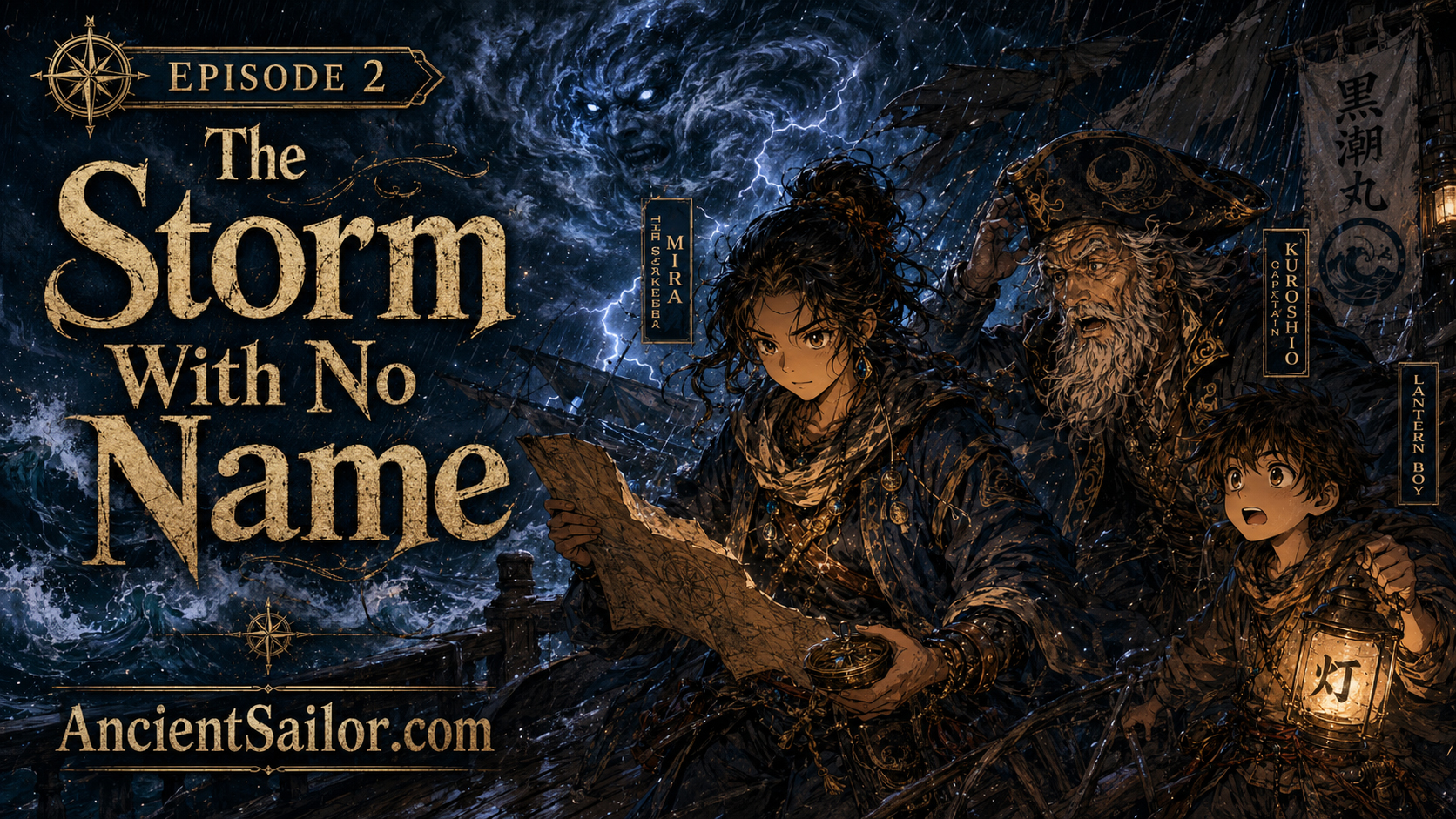
In Episode 2, the crew meets a storm that refuses to appear on any chart. It circles the ship, clears its throat, and announces that it has several concerns about the captain’s maintenance schedule.
Mira the Mapkeeper immediately secures the cargo. Lantern Boy starts bailing. The Permit Goblin asks whether the storm has filed the proper arrival notice. Kraken-sama remains underwater, because even monsters know when to stay home.
The best storm decision was often made days earlier: choosing the season, repairing the ship, loading cargo properly, listening to local warnings, and not leaving harbor just because pride had packed a bag.
Ancient sailors watched seasonal weather patterns carefully. A safe route in one month could become deadly in another. Good seamanship meant knowing when the sea was likely to be unreasonable.
Rope, sailcloth, seams, planks, oars, steering gear, anchors, and lashings all mattered. A storm punished deferred maintenance with impressive efficiency.
Proper loading helped a ship handle wind and waves. Overloading, poor balance, unsecured goods, and greed could turn profitable cargo into ballast for a wreck.
Survival required coordinated labor. Someone had to steer, watch, bail, secure lines, handle sails, protect cargo, repair damage, and keep fear from becoming command policy.
Local sailors knew reefs, winds, tides, seasonal dangers, and the routes that looked safe to outsiders. Ignoring harbor warnings was a traditional way to become a harbor warning.
Turning back could save a crew. It looked less heroic than pressing onward, but survival has always had a better long-term reputation than dramatic failure.
Clouds, wind shifts, pressure changes felt in the body, unusual swells, bird behavior, humidity, distant lightning, strange calm, and old seasonal patterns all carried warnings.
Not every warning was understood. Not every sign was reliable. But careful observation gave ancient sailors a better chance than arrogance, and a far better chance than pretending the weather was someone else’s department.
A ship that survived a storm still had to find position, repair damage, restore order, check supplies, treat injuries, and decide whether continuing the voyage was brave, foolish, or both.
Survivors had to check hull, rigging, sails, oars, steering, cargo, anchors, seams, and supplies. A hidden problem could become the next disaster.
Once the sky cleared, sailors looked for stars, coastlines, currents, birds, water color, depth, and other clues to understand where the storm had thrown them.
Injuries, exhaustion, fear, and conflict could remain after the waves passed. A surviving ship still needed a functioning crew, not just floating timber.
Storms could spoil stores, wash cargo away, break containers, or extend the voyage. Survival could become a supply problem very quickly.
The hardest question after survival was whether to keep going. Pride, profit, fear, duty, and common sense rarely voted the same way.
If the crew reached port, the storm became memory, lesson, song, prayer, exaggeration, and warning. That is how danger became culture.
Ancient storm survival was not only about courage during disaster. It was about judgment before disaster: reading weather, respecting seasons, maintaining the ship, balancing cargo, listening to warnings, and understanding that the ocean has no obligation to reward confidence.
Storms connect navigation, ship design, sea myths, ports, and every lost voyage that became a warning.
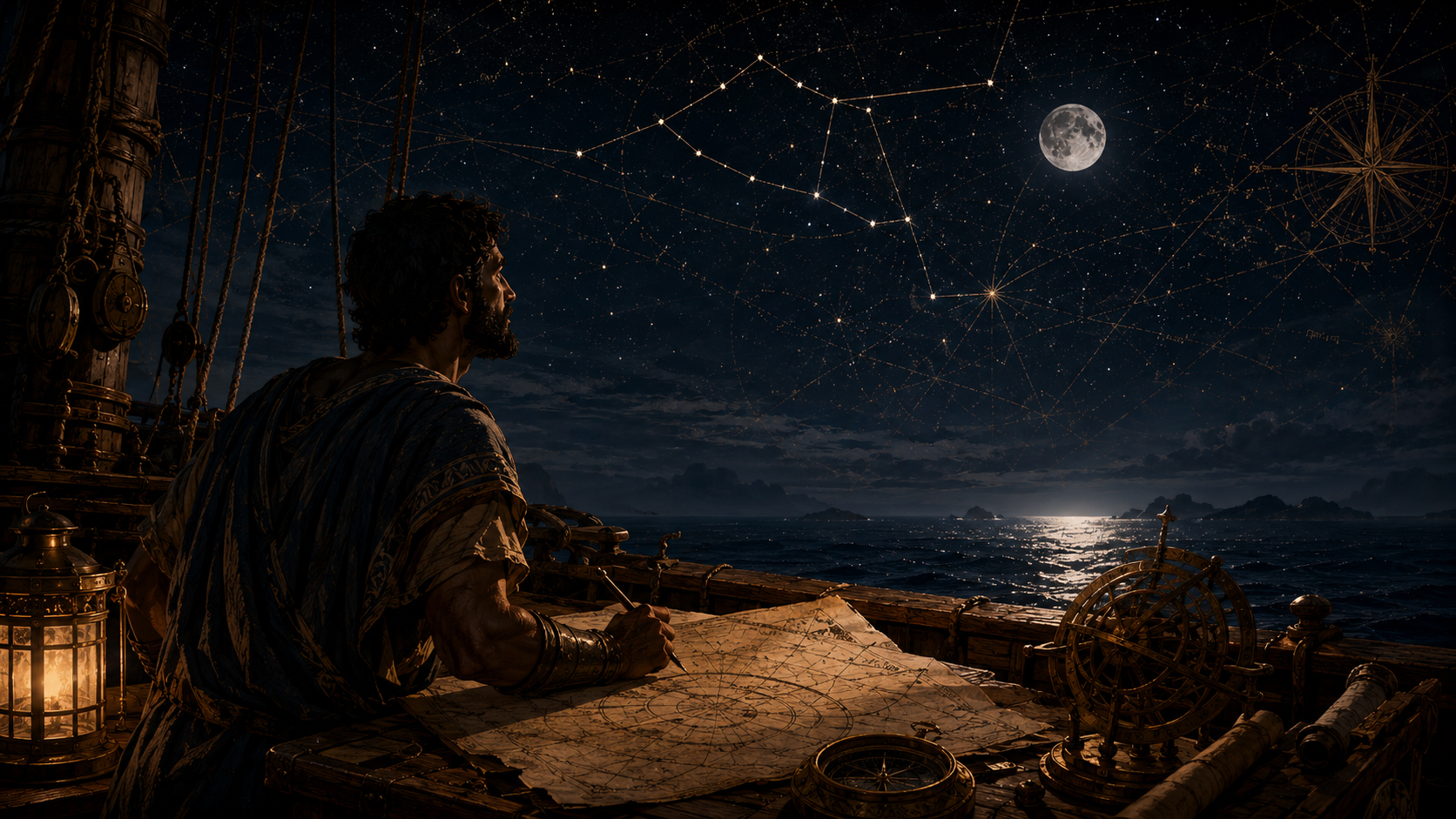
Stars, wind, waves, birds, currents, coastlines, and route memory before GPS.
Read the sky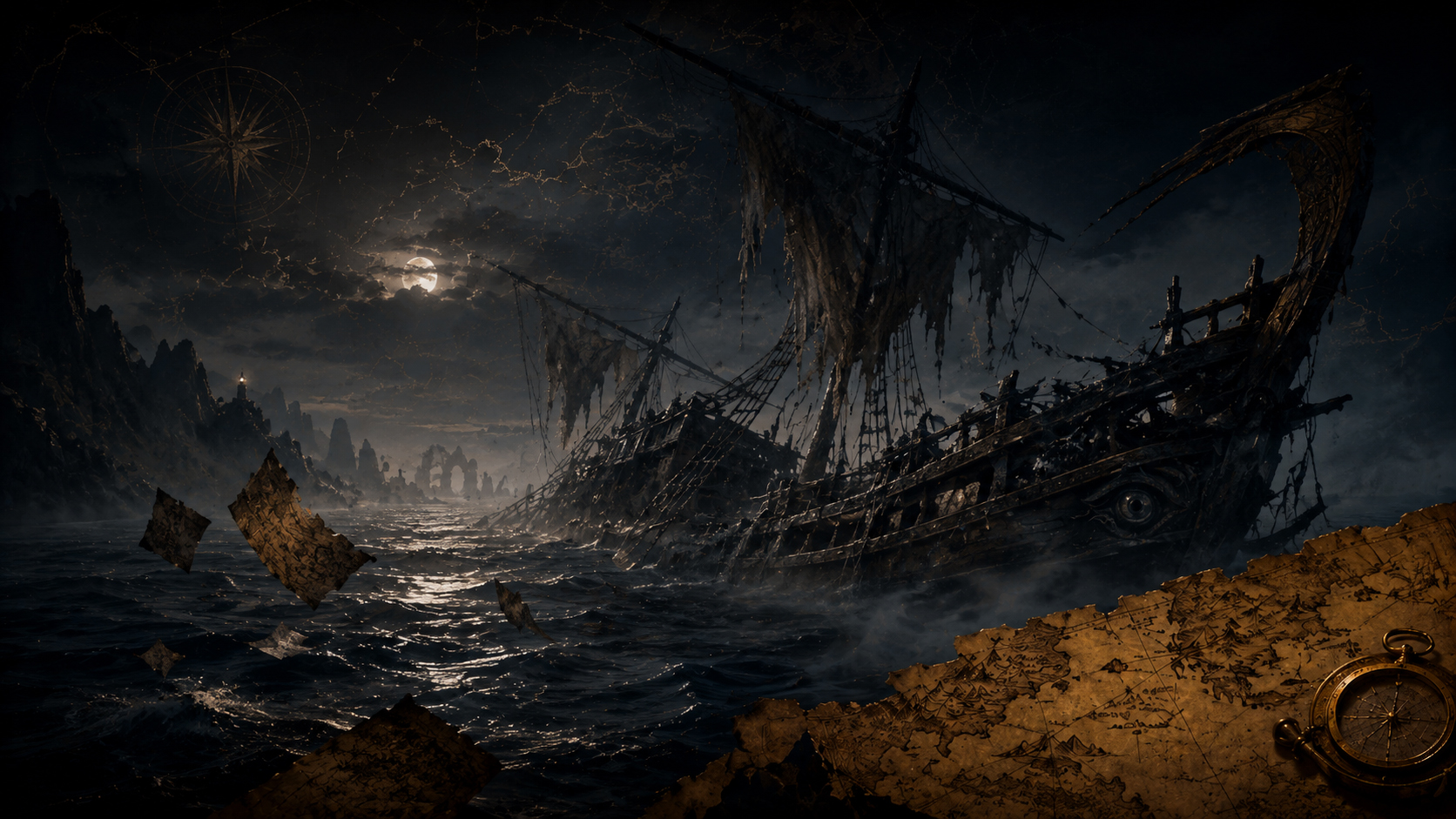
Ships that vanished, storms that won, and stories that returned without the crew.
Follow the vanished
Harbors, repairs, warnings, dockside gossip, and the paperwork after survival.
Enter the harborAncientSailor.com discusses historical maritime risk, storms, sailor folklore, and fictional manga-style sea stories for education and entertainment. This page is not boating advice, emergency instruction, survival training, navigation guidance, weather forecasting guidance, vessel operation instruction, or a substitute for modern marine charts, safety equipment, licensed instruction, official forecasts, emergency services, or professional seamanship.