Landing the Ship
The first job was simple in theory and chaotic in practice: bring the vessel safely alongside shore, pier, beach, quay, or anchorage without smashing cargo, crew, dock, pride, or nearby fishermen.
Ancient ports were not quiet postcard harbors. They were loud, crowded, suspicious, brilliant machines: docks, markets, temples, shipyards, warehouses, customs tables, taverns, sailors, merchants, spies, dock workers, translators, fish stink, incense smoke, and arguments over cargo weight.
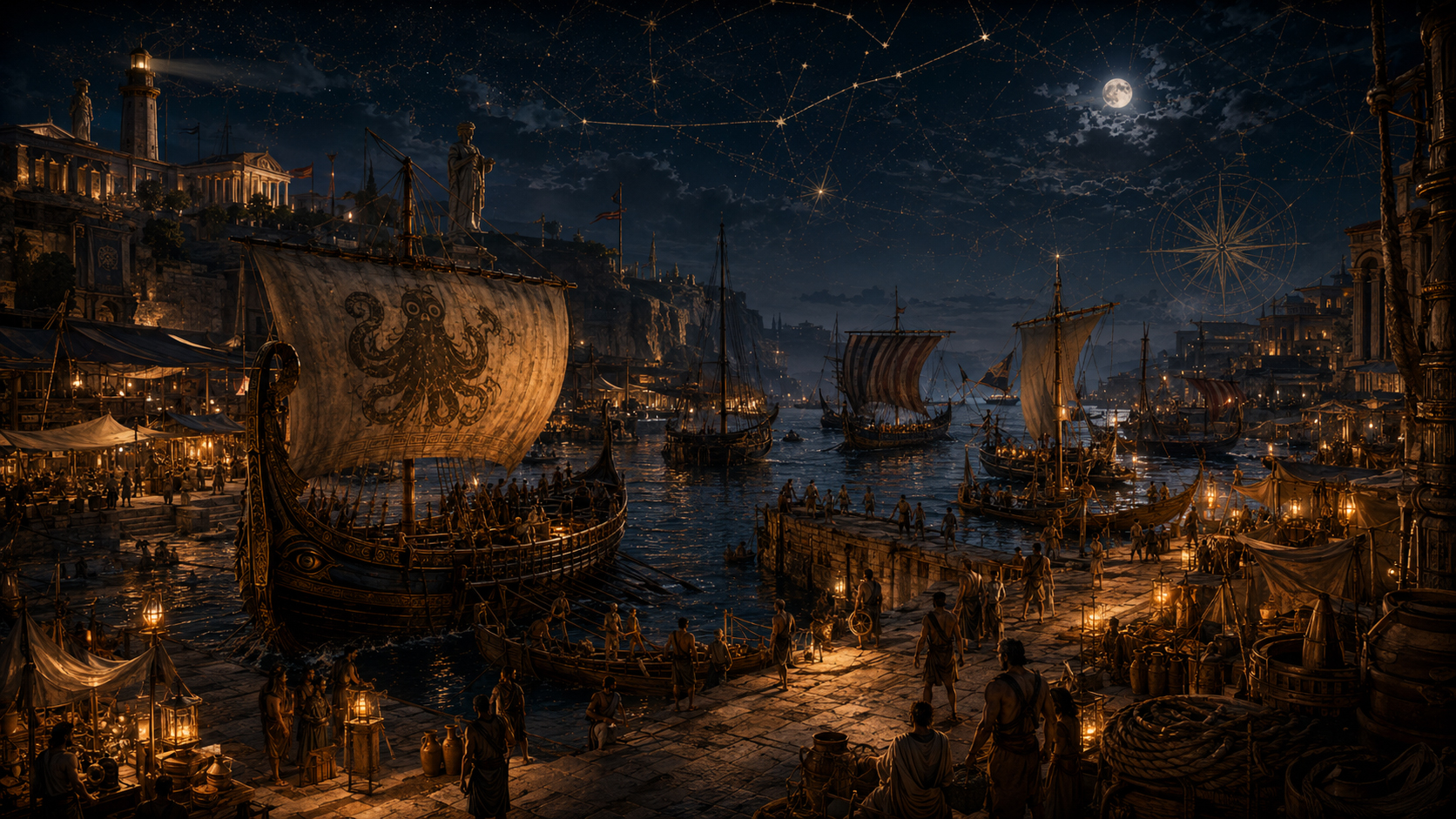
Ancient harbors connected cities to distant goods, foreign languages, new religions, strange rumors, military threats, tax collectors, sailors, and the uncomfortable realization that every map was bigger than expected.
Ports made trade possible, but they also made uncertainty unavoidable. A ship could bring grain, cedar, spices, glass, oil, wine, metals, stories, disease, soldiers, pilgrims, debts, or a sailor who insisted he had personally insulted a sea monster and lived.
A working port smelled like fish, pitch, smoke, animals, salt, sweat, cargo, old rope, wet wood, cooking fires, and money. The smell was not romance. It was logistics.
A port was not just a place to tie a ship. It was a working city edge, where sea risk became land business.
The first job was simple in theory and chaotic in practice: bring the vessel safely alongside shore, pier, beach, quay, or anchorage without smashing cargo, crew, dock, pride, or nearby fishermen.
Grain, wine, oil, timber, stone, textiles, metal, pottery, spices, animals, and luxury goods had to be counted, lifted, guarded, taxed, stored, argued over, and moved inland.
Ports turned cargo into commerce. Merchants negotiated prices, brokers matched buyers and sellers, officials watched for fraud, and sailors spent money faster than wisdom recommended.
Ships arrived damaged, tired, leaking, scraped, and insulted by weather. Port shipyards patched hulls, replaced rope, repaired sails, fixed oars, shaped timber, sealed seams, and prepared vessels for the next mistake.
Cargo invited inspection. Ancient port authorities cared about fees, measurements, declarations, permits, security, and the ancient sacred art of making merchants wait.
Sailors prayed because storms did not respect confidence. Harbor temples, shrines, offerings, charms, and rituals gave crews a way to ask the gods, spirits, or ancestors to please keep the boat mostly above water.
Waterfront taverns collected sailors, rumors, songs, gambling, warnings, exaggerations, recruitment, betrayal, romance, and the kind of confidence that usually ended near dawn.
A busy port could contain many languages, weights, measures, currencies, customs, and legal expectations. Translators and brokers helped turn confusion into trade, usually for a fee.
Valuable cargo attracted theft. Strategic harbors attracted enemies. Port guards, patrols, walls, chains, towers, and watchfires protected ships from people who also understood the value of ships.
Before Captain Kuroshio can depart, the Permit Goblin demands a dock fee, cargo declaration, sail condition report, monster liability waiver, storm apology bond, and a notarized promise not to blame the lighthouse.
Mira the Mapkeeper quietly completes the forms correctly. Kraken-sama files a separate complaint about being listed as “miscellaneous hazard” instead of “long-term underwater resident.”
A successful port needed more than water. It needed shelter, labor, storage, security, roads, buyers, repair skills, authority, and enough gossip to keep sailors occupied during delays.
Bays, river mouths, coves, islands, reefs, and headlands could protect ships from waves and wind. A sheltered harbor was geography doing half the work of civilization.
Built harbor works helped ships load, unload, anchor, and survive rougher conditions. Stone, timber, earthworks, and engineering turned a useful shoreline into a maritime engine.
Goods needed protection from weather, theft, pests, and chaos. Warehouses allowed trade to continue after ships departed and before inland buyers arrived.
A port without roads, rivers, animals, carts, or labor was just a wet edge. The best ports connected sea routes to inland markets and political power.
Dock labor made trade real. Goods did not unload themselves. Men and women carried, counted, sorted, cleaned, repaired, cooked, guarded, translated, and kept the port alive.
Lights, towers, fires, and landmarks helped vessels identify harbor approaches, especially at night or in poor visibility. A reliable light could be the difference between arrival and wreckage.
Ancient ports stitched together the Mediterranean, Red Sea, Indian Ocean, Nile, Persian Gulf, South China Sea, Pacific island networks, Atlantic coasts, and countless river systems.
Goods moved. People moved. Ideas moved. So did diseases, military intelligence, religious stories, shipbuilding techniques, recipes, rumors, and suspiciously confident sailors who claimed the western sea ended in a wall of singing fog.
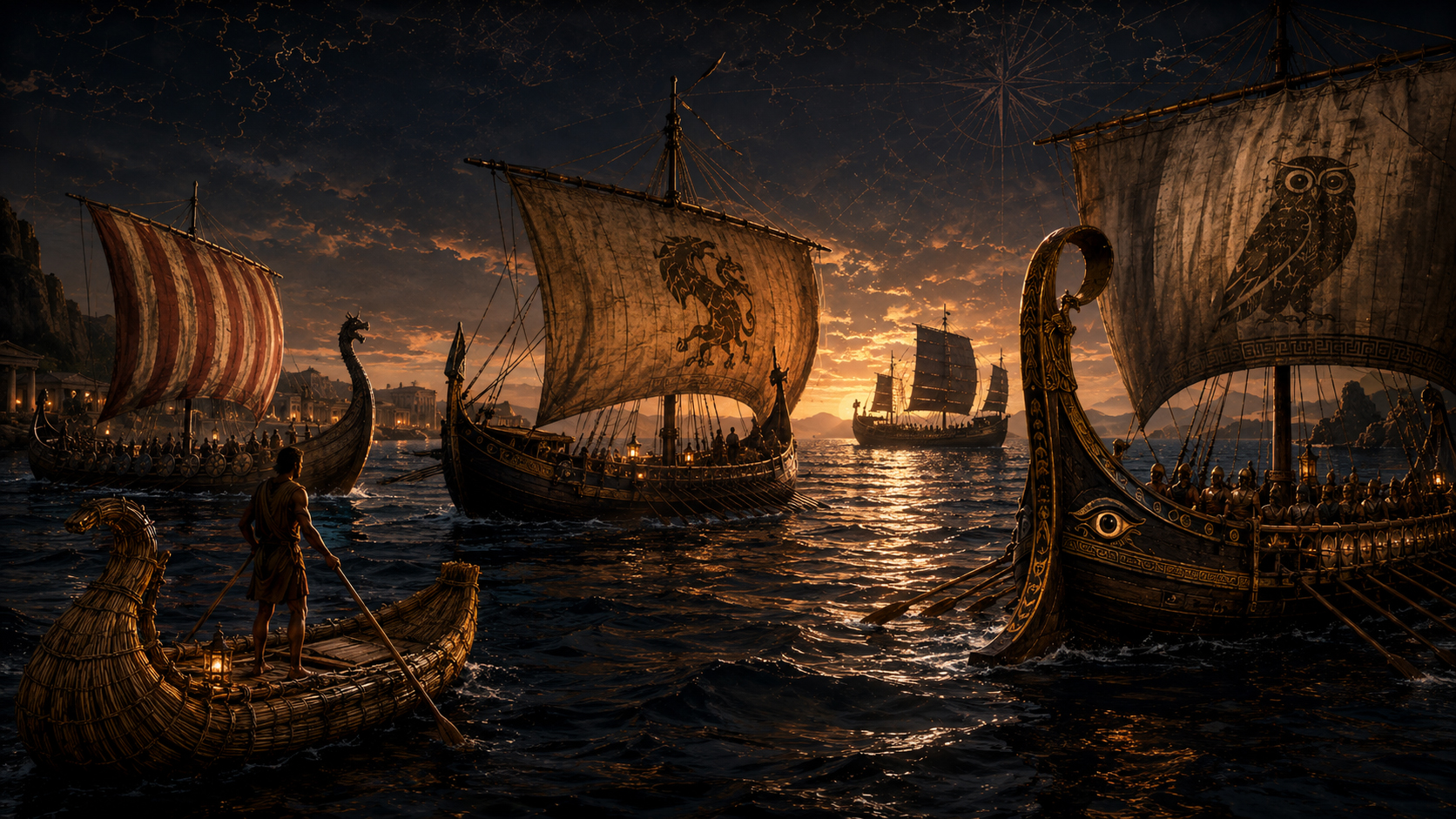
Ancient ports were human ecosystems. Sailors were only one species. Merchants, officials, builders, guards, priests, translators, fishers, cooks, carriers, and thieves all had business near the water.
Merchants financed cargo, took risks, negotiated prices, tracked demand, and sometimes discovered that storms were not impressed by profit margins.
Sailors carried the practical knowledge of routes, winds, repairs, danger, and which tavern should be avoided unless one enjoys furniture-based diplomacy.
Shipwrights understood wood, seams, masts, frames, balance, damage, and repair. A good shipwright could give a tired vessel one more chance against the sea.
Port officials measured, taxed, recorded, inspected, delayed, approved, rejected, and proved that bureaucracy is almost as old as sailing.
Religious figures performed rites, received offerings, interpreted omens, and helped sailors ask divine powers not to turn the next voyage into folklore.
News moved through ports quickly. So did nonsense. A storyteller could warn, entertain, mislead, exaggerate, or accidentally preserve history.
Ancient ports turned risk into systems. They received ships, repaired damage, taxed cargo, fed crews, spread news, stored goods, blessed departures, judged disputes, and waited for vessels that sometimes never returned.
Ancient ports connect ships, navigation, myths, and lost voyages. Every route starts somewhere, and every sailor hopes the dock will still be there.
The vessels that brought cargo, crews, stories, and problems into port.
Board the ships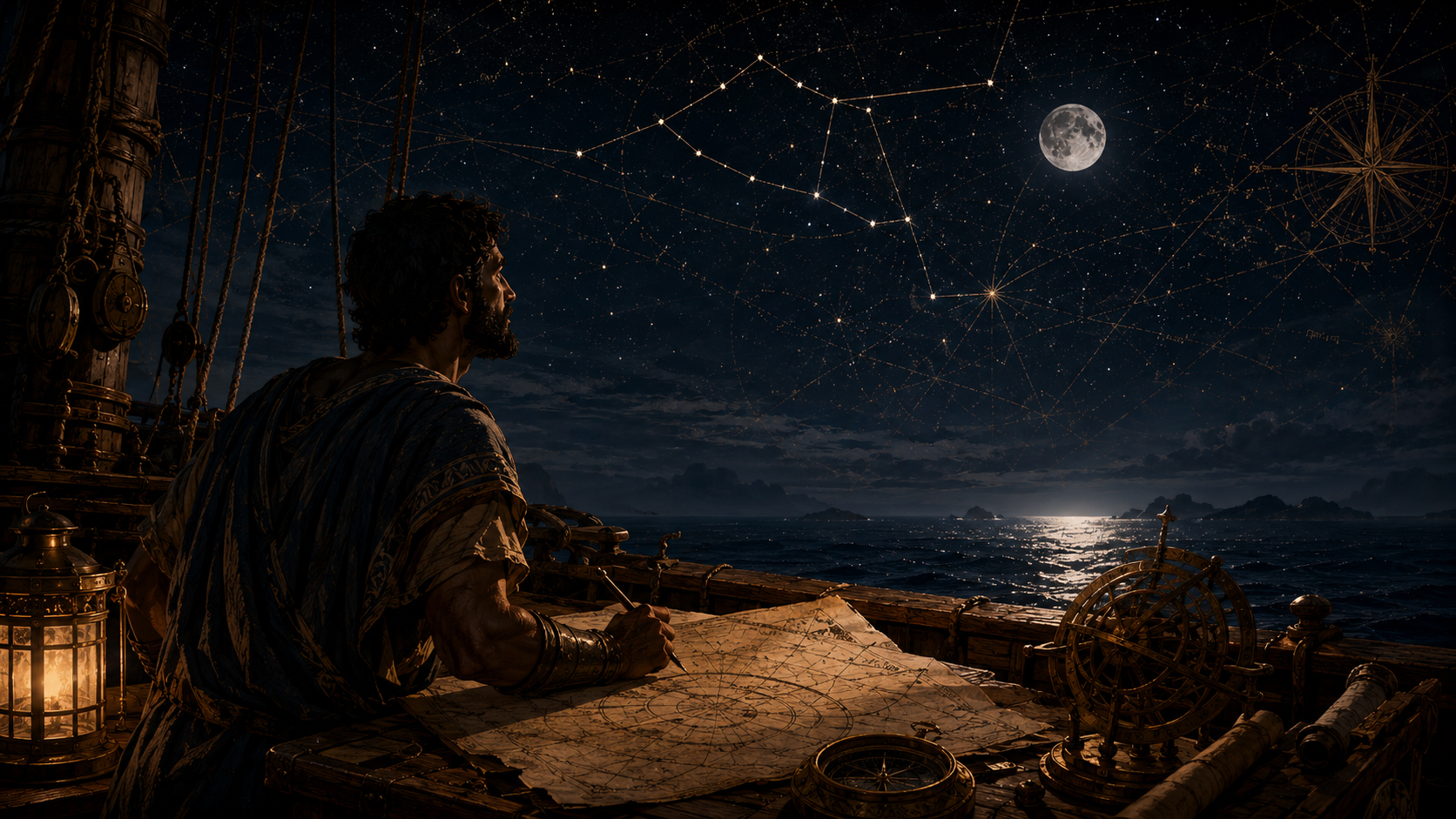
Stars, winds, swells, birds, coastlines, and route memory from port to port.
Read the sky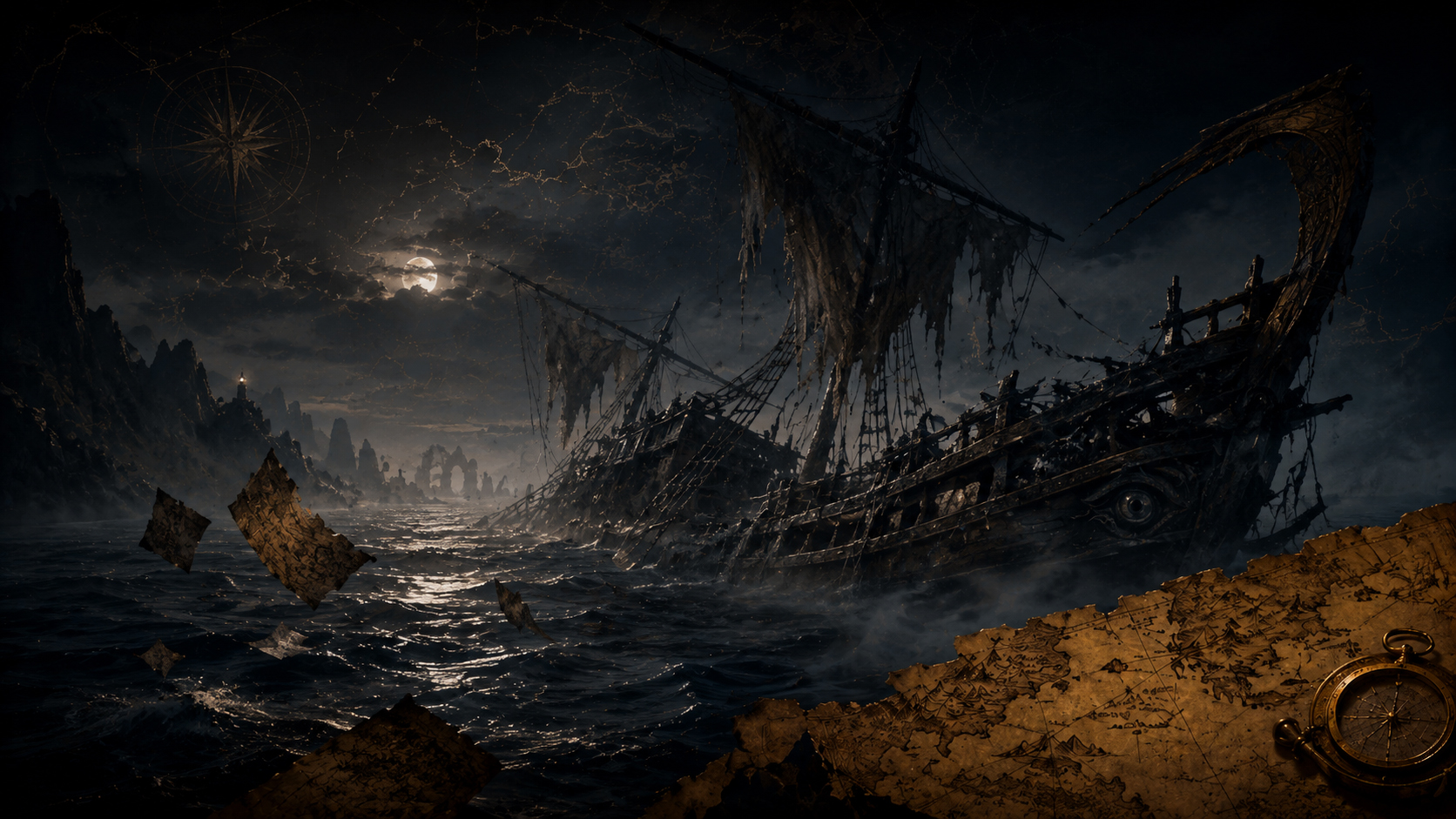
The ships that left harbor, missed return, and became stories.
Follow the vanishedAncientSailor.com discusses ancient ports, maritime trade, harbor life, folklore, and fictional manga-style sea stories for education and entertainment. This page is not navigation advice, boating safety guidance, archaeological instruction, customs law guidance, or a substitute for modern marine charts, weather forecasting, emergency equipment, licensed instruction, or professional seamanship.