Sudden Weather
Storms could tear sails, break masts, flood hulls, scatter fleets, and push vessels far from known routes. A ship built for trade might suddenly be forced to negotiate with a sky that had become a weapon.
A lost voyage is more than a missing ship. It is a broken promise, an empty dock, a family waiting too long, a route crossed off the chart, and a story that grows darker every time it is told beside a harbor lantern.
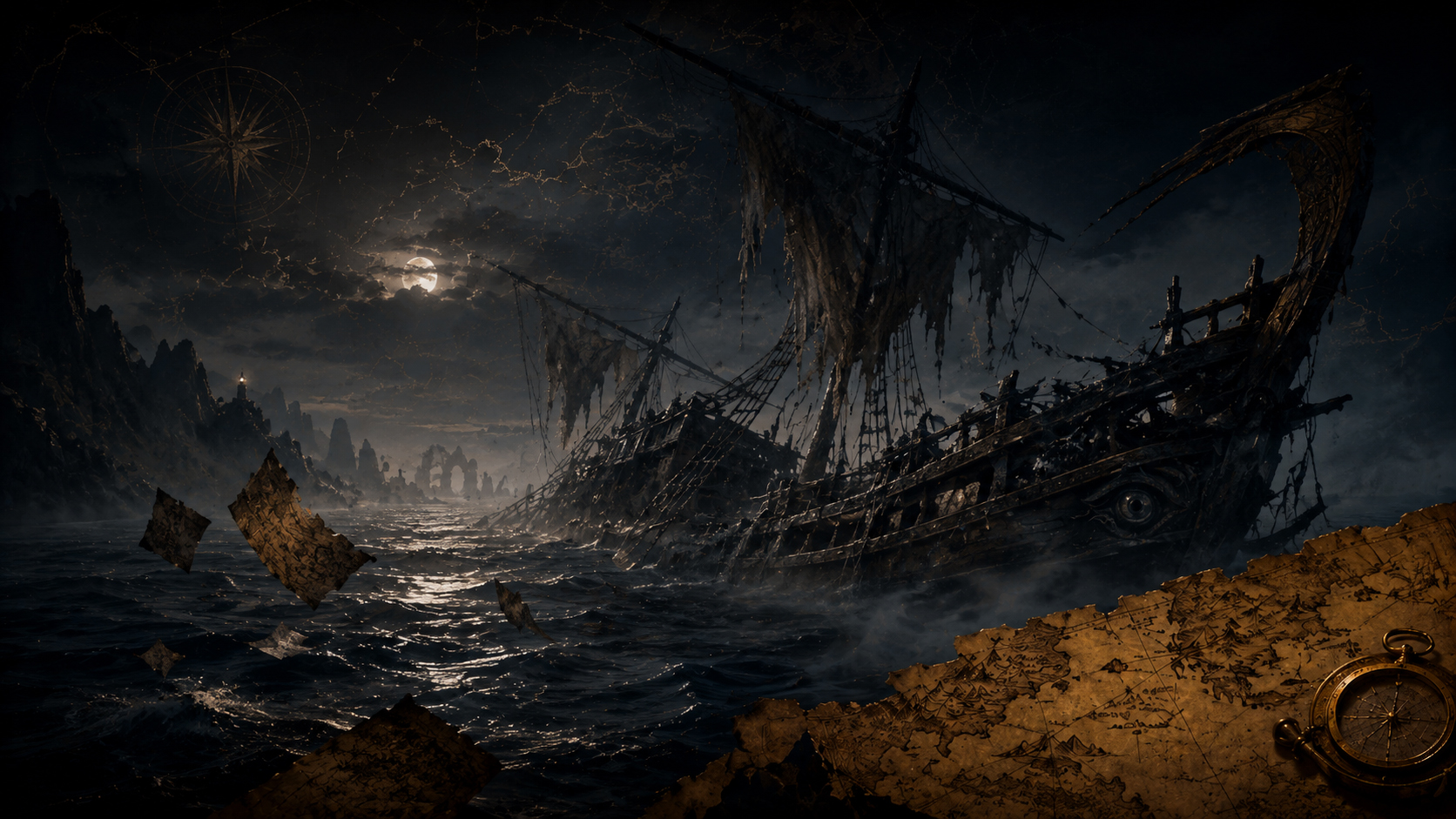
Ancient voyages could fail for many reasons: storms, reefs, bad weather judgment, warfare, piracy, fire, disease, hunger, broken steering, damaged sails, overloaded cargo, poor charts, political conflict, or simple distance.
When a ship disappeared, the facts often disappeared with it. What remained was rumor, grief, wreckage, cargo found on shore, a half-remembered departure date, and sailors willing to explain everything with suspicious confidence.
The most dangerous word in maritime history may be “probably.” It sits beside overloaded cargo, dark clouds, shallow water, and a crew that has stopped laughing.
The sea rarely needed one perfect disaster. It preferred combinations: bad weather plus tired crew, hidden reef plus poor visibility, overloaded cargo plus pride.
Storms could tear sails, break masts, flood hulls, scatter fleets, and push vessels far from known routes. A ship built for trade might suddenly be forced to negotiate with a sky that had become a weapon.
Reefs and shoals were silent enemies. In clear water they could be missed by the careless. In fog or darkness they could be missed by everyone. One mistake could turn a voyage into splinters.
Before modern instruments, location could be uncertain. Cloud cover, unfamiliar stars, poor memory, misleading currents, or a captain too proud to admit confusion could send a ship into danger.
Not every lost voyage was lost to nature. Ships carried cargo, people, messages, and power. That made them targets. A missing ship might have met enemies long before it met weather.
Wooden ships carried rope, oil, pitch, cloth, dry cargo, lamps, cooking flames, and panic. Fire at sea was especially cruel because the ship was both the danger and the only refuge.
A profitable cargo could become a fatal cargo. Too much weight, poor balance, shifting goods, or waterlogged materials could change how a ship handled waves, wind, and emergency maneuvers.
Long voyages stressed bodies as much as ships. Hunger, bad water, infection, injury, heat, cold, and exhaustion could weaken a crew until ordinary problems became impossible.
A damaged rudder, torn sail, failed oar, cracked hull, or lost anchor could matter more than courage. Ancient seamanship depended on constant repair and the ability to improvise before the sea noticed weakness.
The oldest maritime hazard may be the captain who refuses advice. Pride can ignore clouds, tide, crew warnings, bad repairs, overloaded cargo, and the obvious fact that the harbor was perfectly nice.
Mira the Mapkeeper strongly disagrees. She says a voyage is lost when the ship, the cargo, the route, and the captain’s explanation all vanish at the same time.
The Permit Goblin of the Port has a more technical definition: a voyage is lost when the return form is not filed, the dock fee remains unpaid, and at least one relative starts blaming sea spirits during business hours.
Lost voyages often survive through fragments: a broken plank, cargo washed ashore, a route avoided afterward, a harbor story, a family record, or a warning built into folklore.
Timbers, anchors, cargo jars, tools, coins, ballast stones, and ship fittings can reveal where a vessel traveled, what it carried, and how it may have failed.
Cargo washing up on beaches could turn loss into evidence. A jar, a plank, or a bundle of goods might tell a port that the sea had already closed the case.
Sometimes the strongest evidence was absence. A ship that did not return, a trade partner who never arrived, or a crew that missed the season could change plans across an entire harbor.
Dangerous routes were remembered. A failed passage could reshape future travel, trading habits, seasonal timing, and the advice given to younger sailors.
Rumor filled the gap where facts were missing. Storm, monster, pirate, curse, betrayal, bad omen, bad captain — every explanation found a listener.
The most useful lost-voyage stories became warnings. Do not sail in that season. Do not overload there. Do not ignore that current. Do not mock the old navigator.
Lost voyages shaped maritime culture because they made risk personal. A missing ship was not an abstract lesson. It was a crew, a family, a cargo, a debt, a promise, and a route no one wanted to discuss too casually.
That is why lost voyages became legends. People needed reasons. They needed patterns. They needed stories strong enough to carry grief, caution, and the uncomfortable possibility that sometimes the sea simply wins.
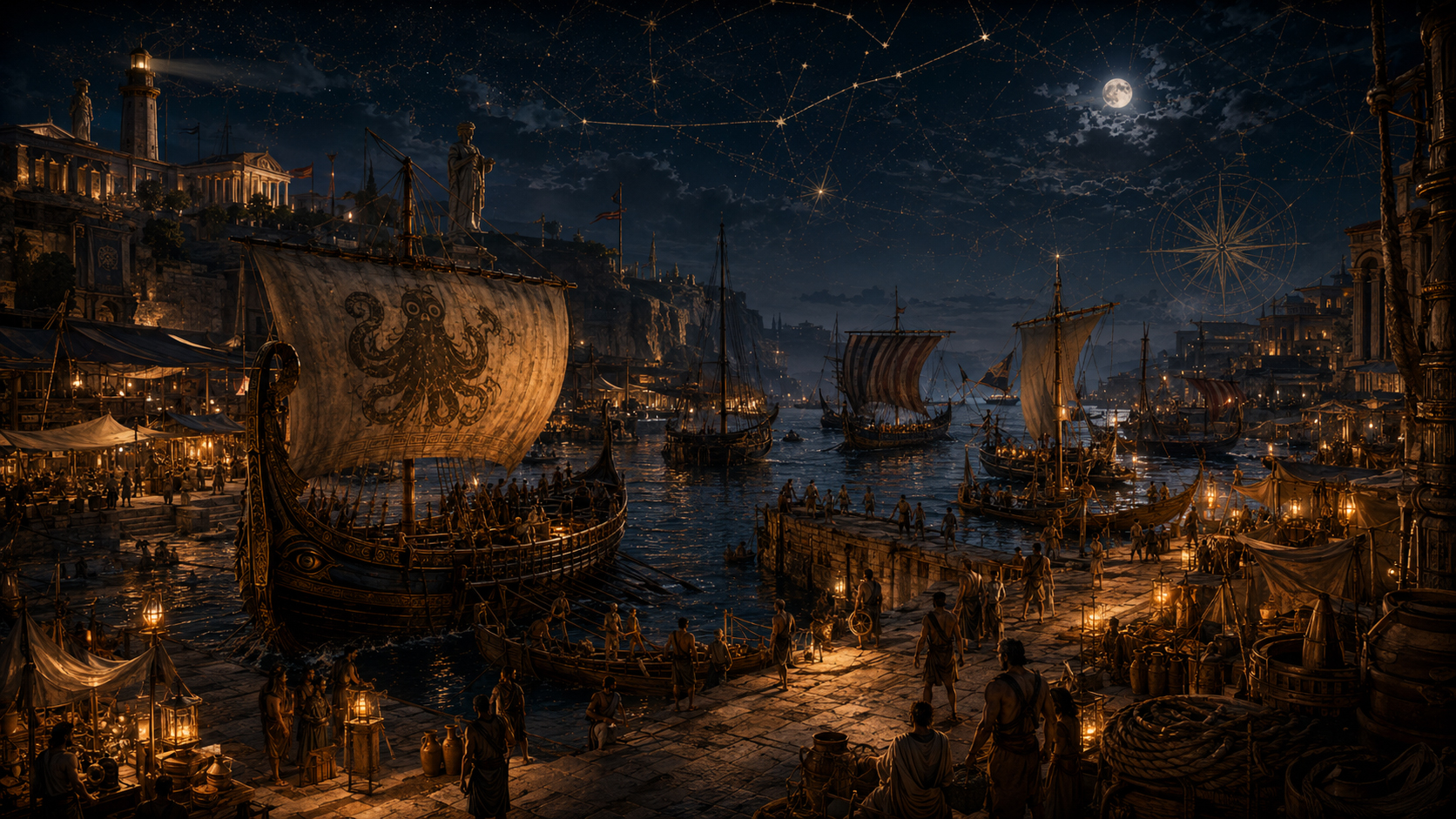
Some voyages were lost suddenly. Others failed slowly. Some vanished in fact, while others vanished into myth.
The simplest and most common fear: a vessel caught beyond safe shelter when wind, waves, and rain became stronger than hull, sail, and crew.
A voyage could go wrong by leaving the known route, missing expected land, misreading currents, or being pushed into unfamiliar waters.
Sometimes the danger was human: raiders, rival states, hostile ports, mutiny, theft, betrayal, or politics carried across the water.
Commercial pressure could push sailors into unsafe seasons, overloaded vessels, rushed repairs, or routes chosen by profit instead of weather.
When facts thinned out, myth moved in. A missing ship could become a ghost vessel, a monster story, a cursed island tale, or proof that one harbor elder was right all along.
Many ancient losses were never recorded in a way that survived. The most common lost voyage may be the one history forgot entirely.
Lost voyages connect ship design, navigation skill, sea myths, and the stories sailors used to make danger memorable.
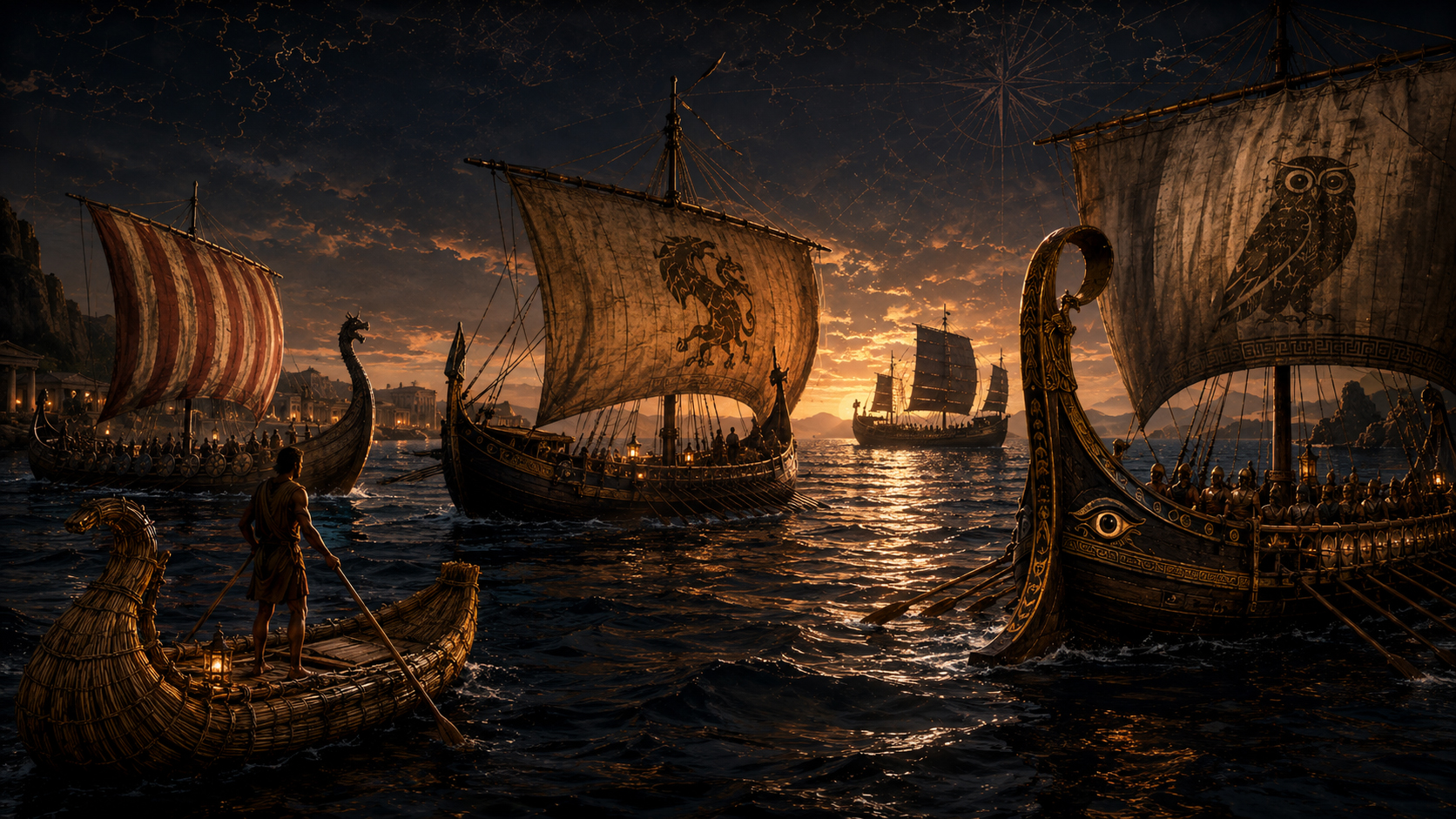
The hulls, sails, oars, cargo vessels, warships, and ocean craft that carried ancient sailors.
Board the ships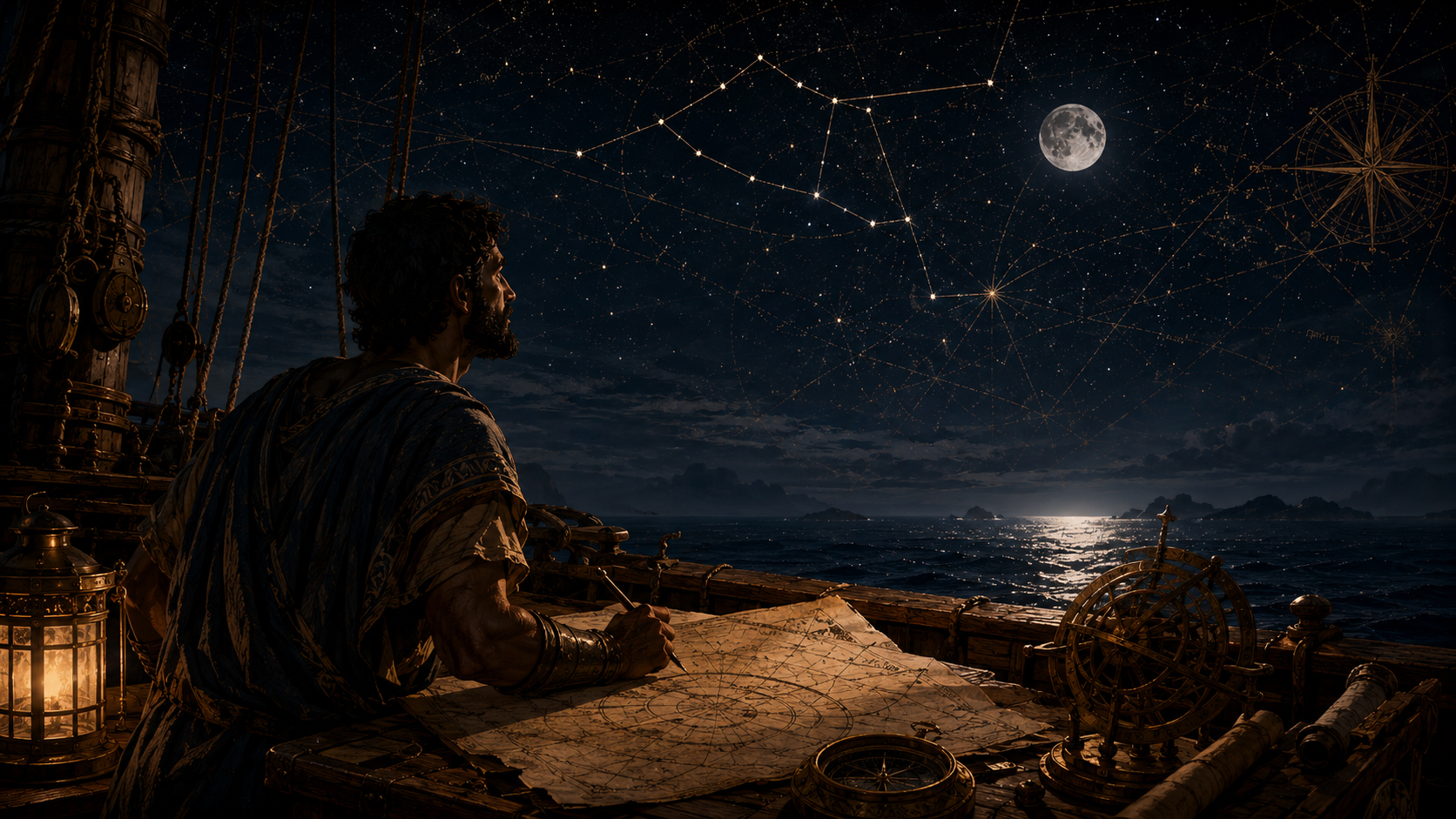
Stars, wind, waves, birds, currents, coastlines, and inherited route memory.
Read the sky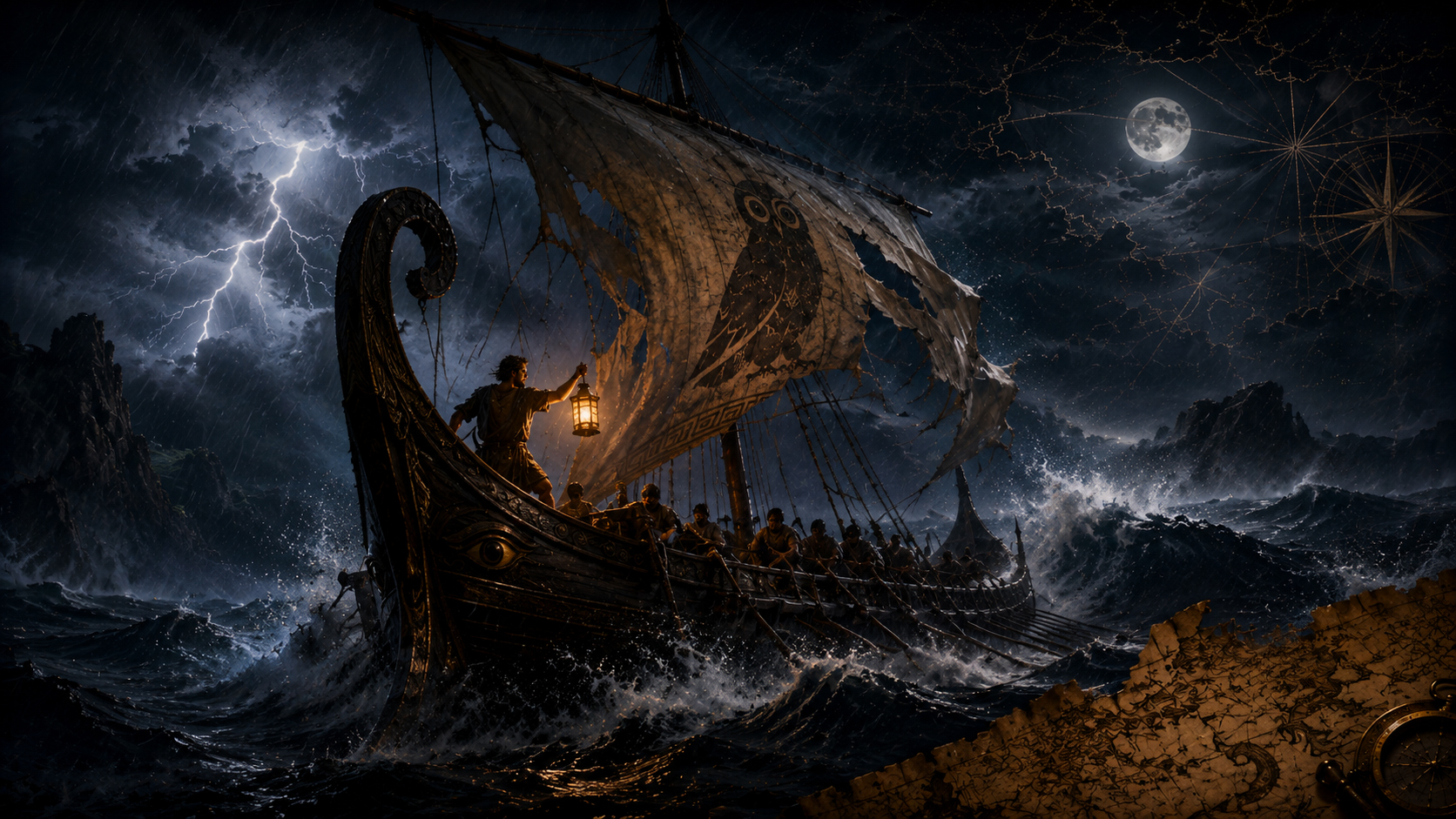
Rough seas, broken gear, survival choices, and the old warnings that kept sailors alive.
Face the stormAncientSailor.com discusses lost voyages, maritime risk, folklore, and fictional manga-style sea stories for education and entertainment. This page is not navigation advice, boating safety guidance, archaeological analysis, legal investigation, survival training, or a substitute for modern charts, weather forecasting, emergency equipment, licensed instruction, or professional seamanship.