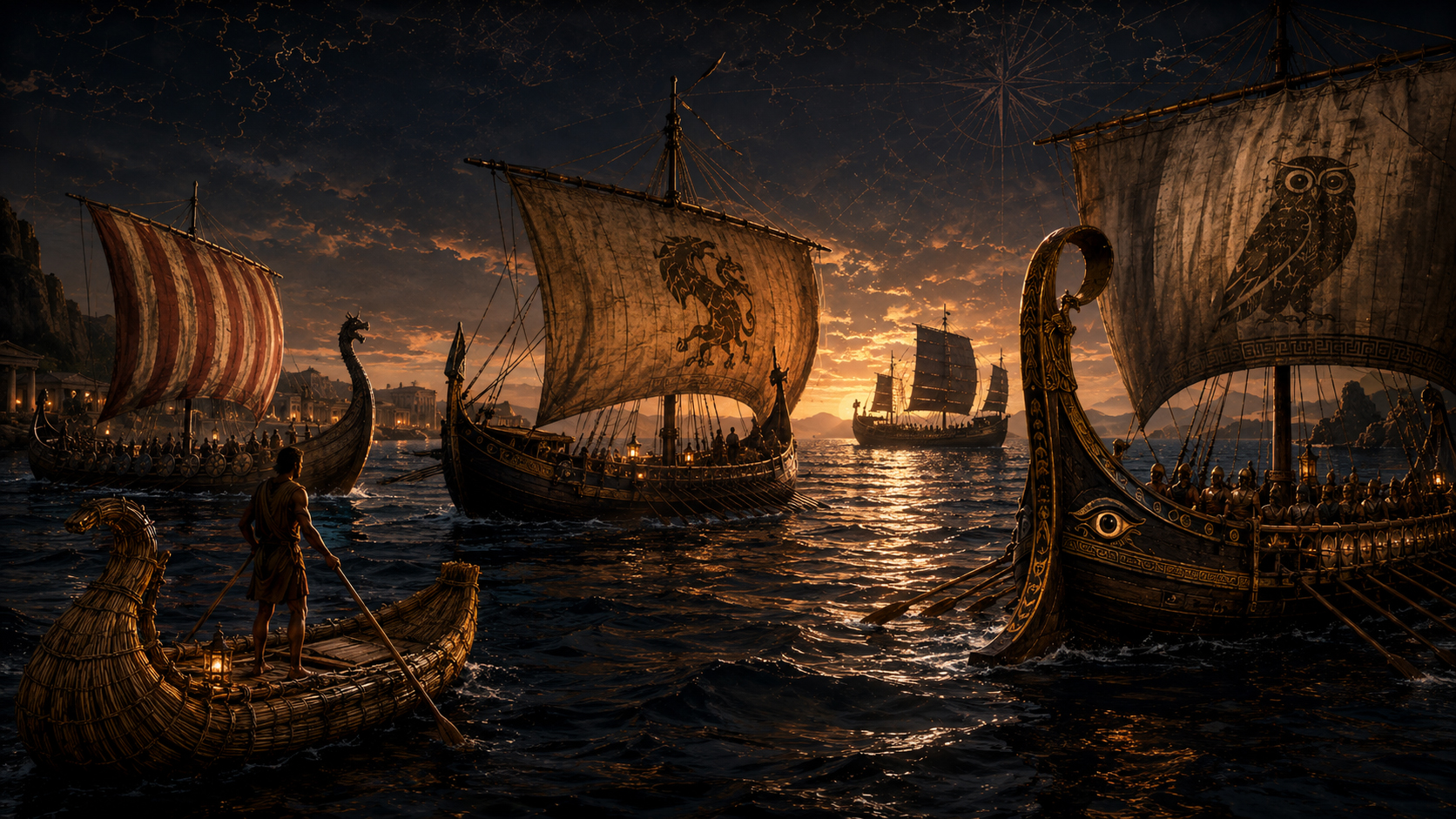
Ancient Ships
Reed boats, Nile boats, Phoenician traders, Greek triremes, Roman cargo vessels, Viking longships, dhows, junks, Pacific voyaging canoes, and other vessels built from wood, rope, sail, oar, memory, and nerve.
Explore shipsAncientSailor.com is a mythic, manga-style sea chronicle about ancient sailors, old ships, sea monsters, lost voyages, storms, ports, navigation before GPS, and the human habit of turning danger into memory.
AncientSailor.com is built around one simple idea: a sea story is not just entertainment. It can be a warning, a record, a map, a myth, a confession, or a very dramatic attempt to avoid admitting who actually saved the ship.
The site blends educational pages with fictional manga-style episodes. The educational pages explain maritime ideas in accessible language. The episodes turn those ideas into a storm-lit adventure with Mira the Mapkeeper, Old Captain Kuroshio, Kraken-sama, Lantern Boy, the Permit Goblin of the Port, and the Sea Judge.
AncientSailor.com treats maritime storytelling as memory with consequences. A funny sea tale is welcome. A corrected sea tale is better. A tale that helps the next crew avoid the reef is best.
AncientSailor.com is not one narrow topic. It is a waterfront world.
Reed boats, Nile boats, Phoenician traders, Greek triremes, Roman cargo vessels, Viking longships, dhows, junks, Pacific voyaging canoes, and other vessels built from wood, rope, sail, oar, memory, and nerve.
Explore ships
Stars, sun, moon, wind, swells, currents, birds, clouds, coastlines, water color, depth, route memory, and the old art of paying attention before the sea charges interest.
Read the navigation guide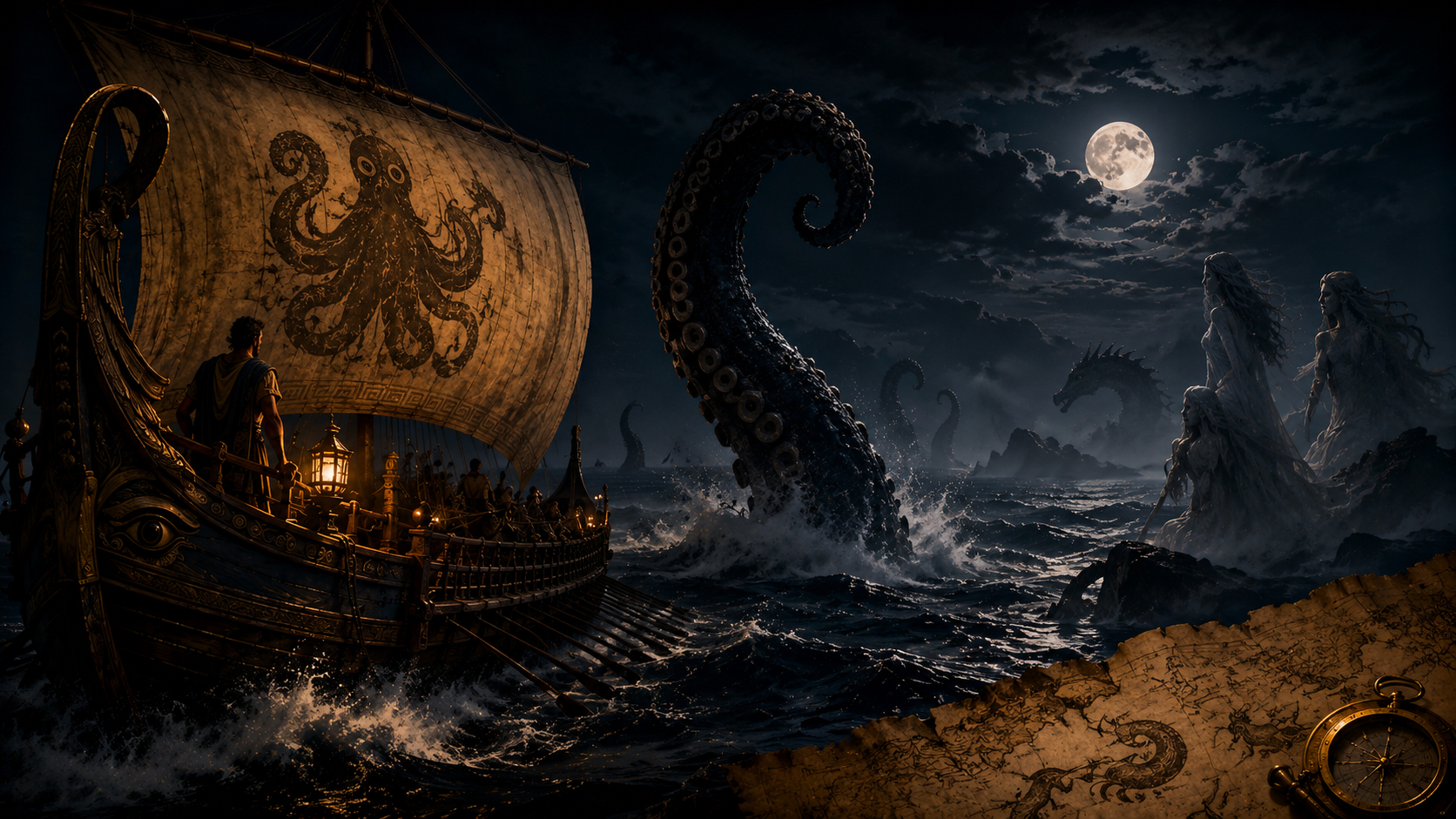
Kraken, sirens, sea dragons, ghost ships, cursed fog, moving islands, storm spirits, and the old sailor habit of giving fear a name so it can be remembered.
Enter the myths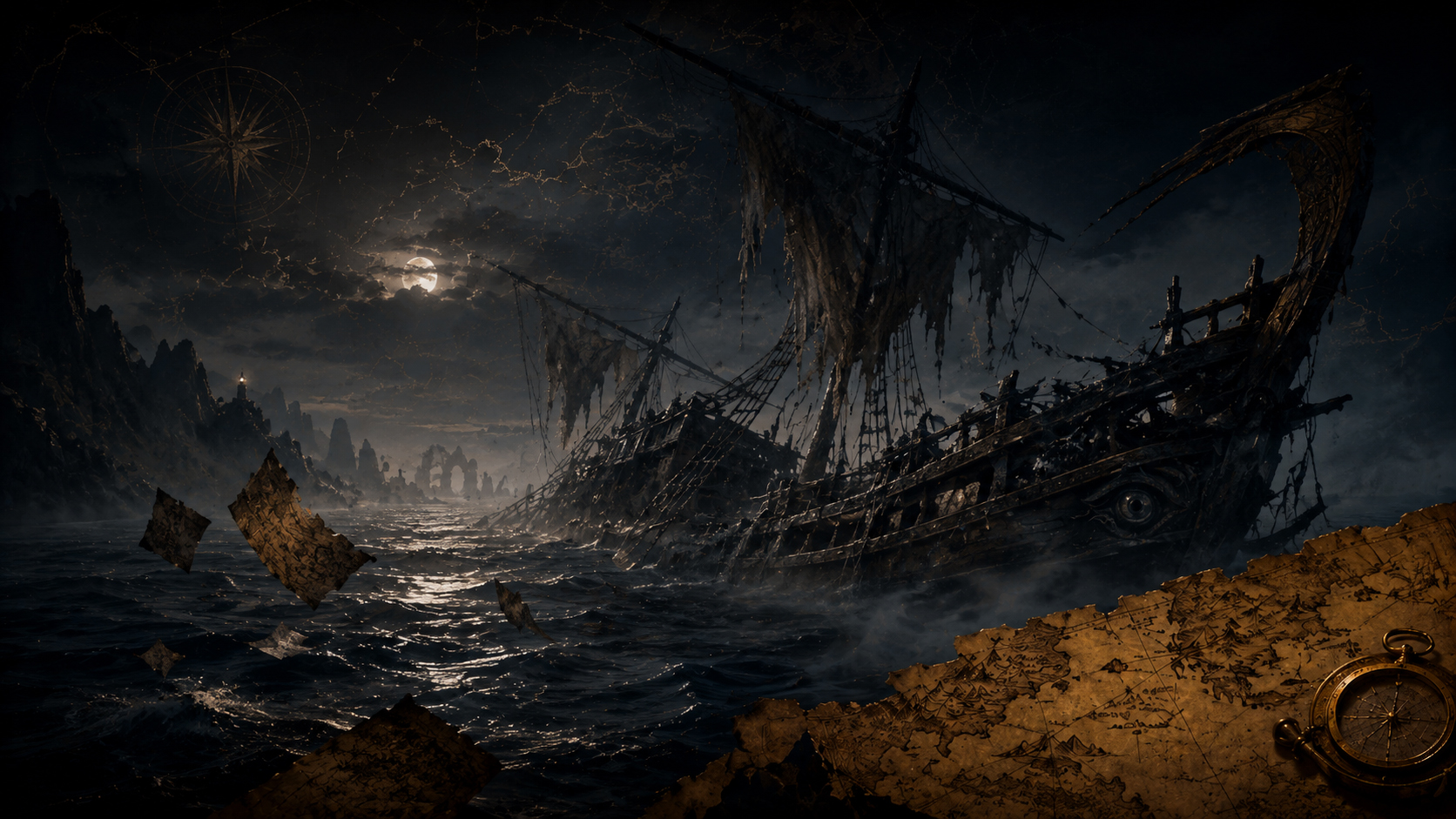
Vanished ships, empty docks, failed routes, broken cargo, rumor, wreckage, and the stories that returned when the vessels did not.
Follow the vanished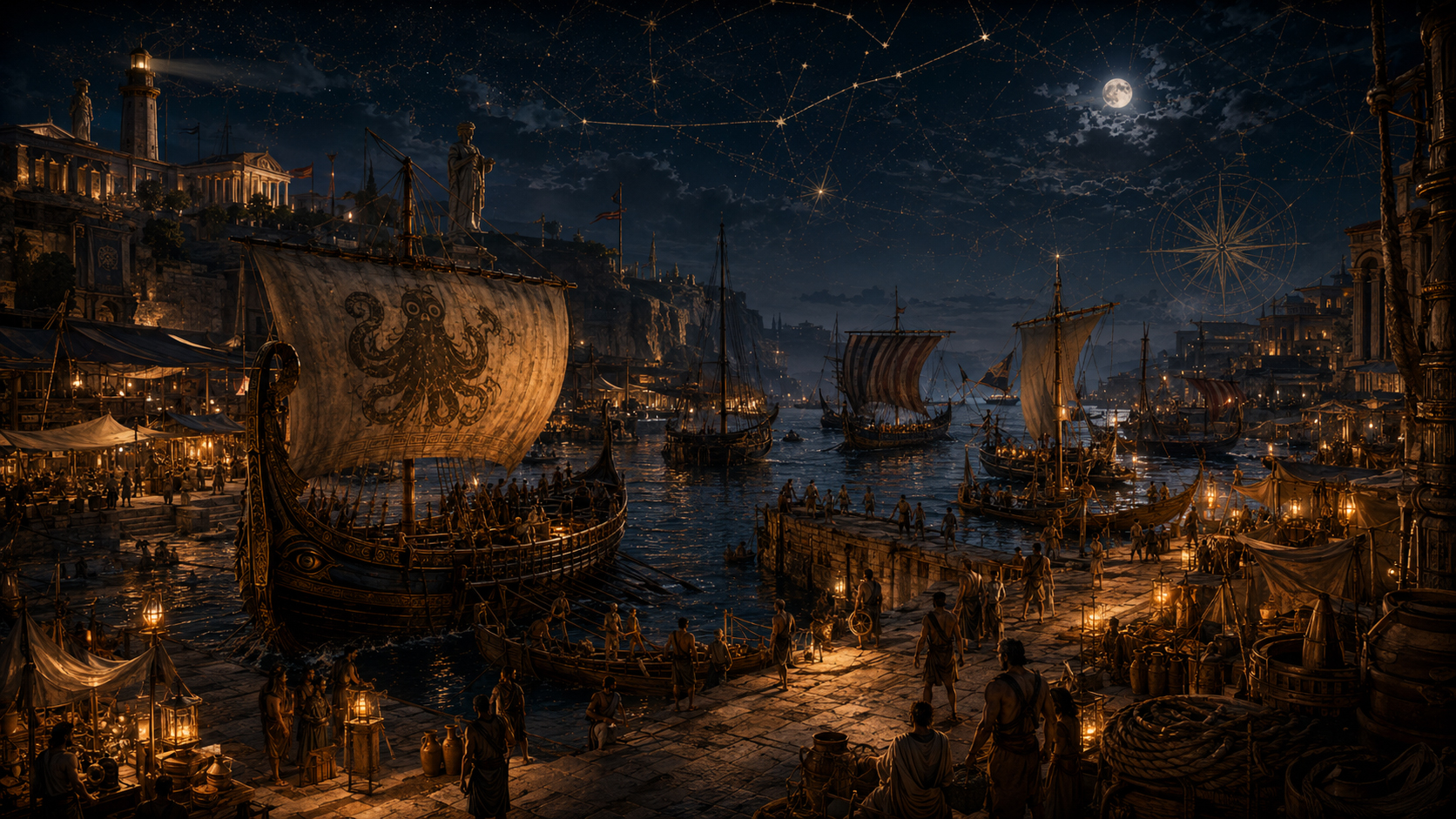
Docks, markets, shipyards, temples, warehouses, customs tables, taverns, beacons, dock workers, merchants, translators, officials, and the paperwork waiting at the end of every great voyage.
Enter the harbor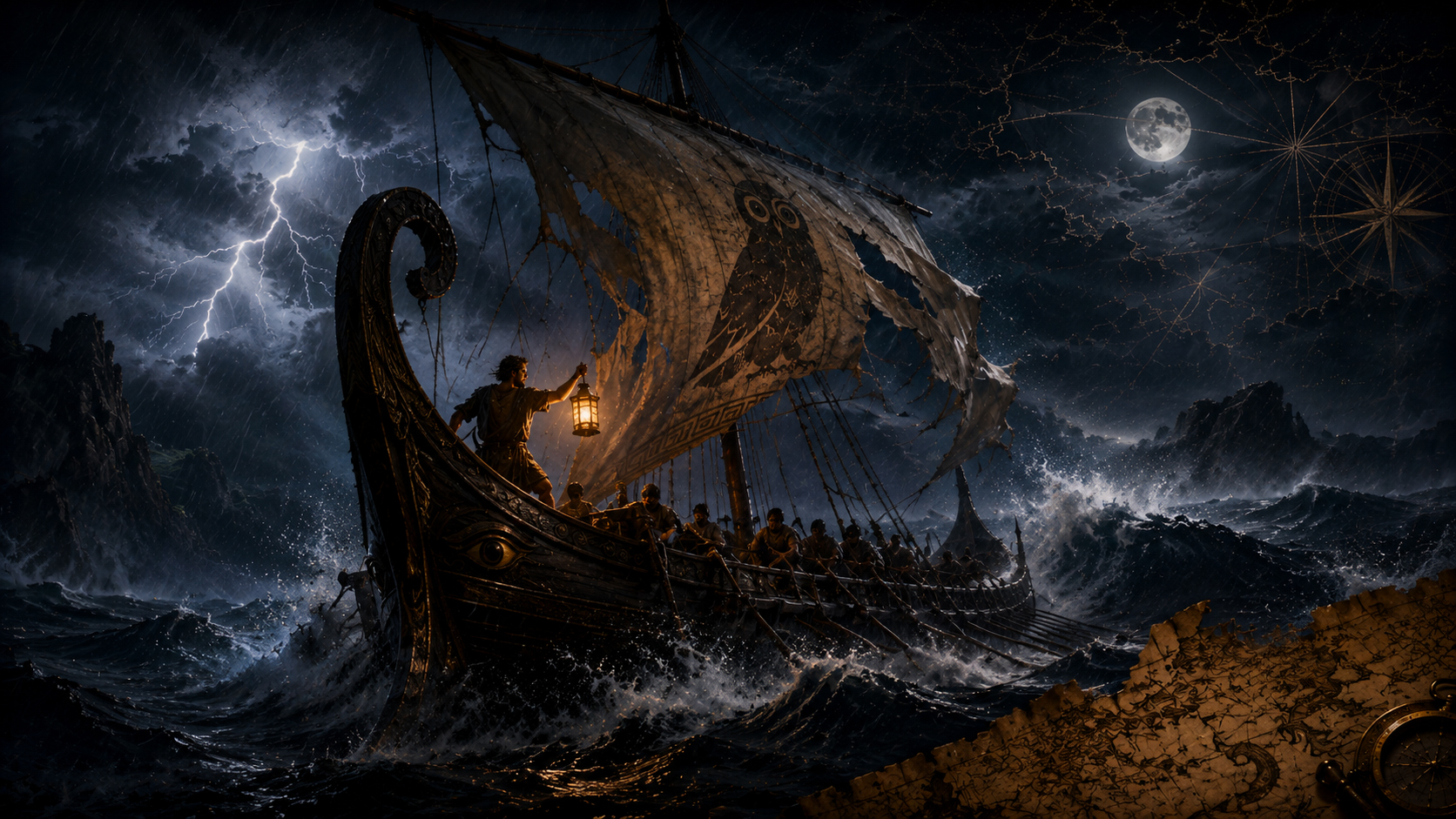
Rough seas, broken masts, torn sails, leaking hulls, bad timing, overconfident captains, weather signs, and the unglamorous wisdom of staying in port when the sea looks offended.
Face the stormA dry paragraph can explain that ancient sailors used multiple signs to navigate. A story can make that idea stick by showing Mira ignore a false lighthouse, check the depth, read the current, listen to the water, and save the ship while Captain Kuroshio insists he was “about to suggest that.”
The manga approach makes maritime ideas memorable without pretending the fiction is literal history. It gives the sea a voice, the map an attitude, the kraken a complaint form, and the harbor a bureaucracy old enough to have barnacles.
The recurring characters turn sea knowledge into conflict, comedy, and correction.
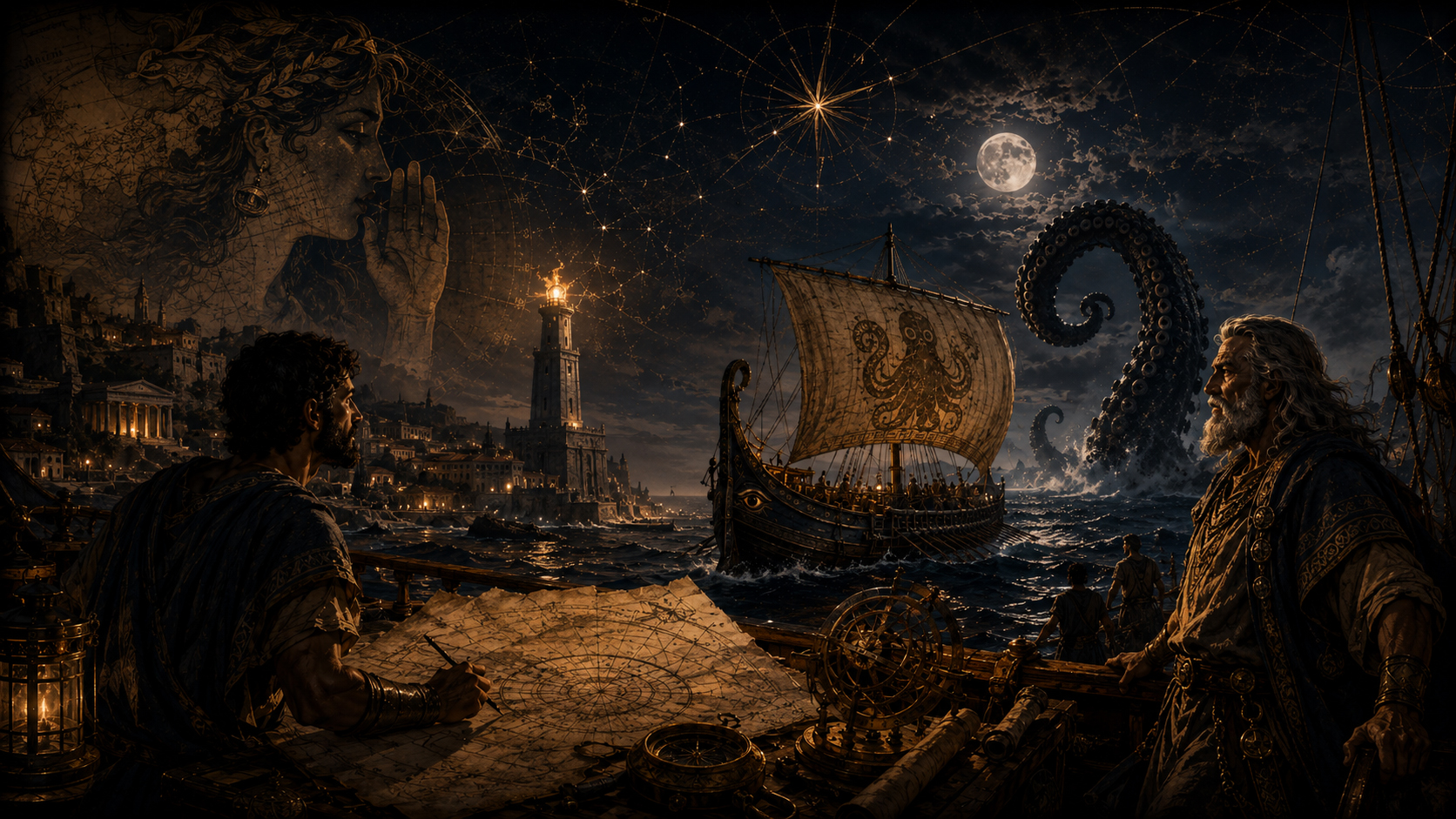
Mira reads maps, stars, swells, currents, weather, coastlines, depth, evidence, and lies. She is the calm center of the voyage because she understands that confidence is not a compass.
Brave, experienced, theatrical, and unreliable near an audience. Captain Kuroshio knows the sea, but he has a long history of polishing facts until the Sea Judge gets involved.
Enormous, ancient, formal, and tired of being mislabeled as a miscellaneous hazard. Kraken-sama represents the idea that the sea is not empty space. It has residents, currents, memory, and boundaries.
Lantern Boy carries the light and asks the practical questions adults avoid. He notices loose ropes, strange smells, snack shortages, and whether anyone has checked the boat for holes.
A tiny bureaucratic terror with stamps, ledgers, rules, objections, and surprisingly useful records. Every great voyage eventually meets paperwork.
The Sea Judge appears when sailors exaggerate too loudly. His court exists because false sea stories can become dangerous warnings for future crews.
The site is designed as a dark nautical editorial experience: navy water, bronze light, parchment warmth, clear contrast, large headings, mobile-friendly navigation, and readable page sections.
The goal is not to bury readers in academic detail. The goal is to create strong introductions that make ancient maritime subjects understandable, memorable, and worth exploring further.
The site discusses ships, storms, navigation, and survival as history, folklore, and fiction. That requires a clear boundary.
AncientSailor.com is not navigation instruction, boating safety advice, emergency guidance, survival training, route planning, vessel operation guidance, or weather planning.
Real maritime activity requires modern charts, official forecasts, proper safety equipment, emergency services, licensed instruction, and professional seamanship.
Ancient maritime history is complex and region-specific. These pages are accessible introductions and story gateways, not technical monographs, archaeological reports, or vessel design references.
Sea monsters and legends are discussed as folklore, symbolism, sailor psychology, cultural memory, and story. Kraken-sama is a character, not a scientific claim.
The core voyage starts with Episode 1: The Sailor Who Heard the Map. From there, the story moves through a nameless storm, Kraken-sama’s complaint, a false lighthouse, the Sea Judge, and the last star before morning.
Read the story, study the ships, enter the myths, or face the storm.
Six fictional sea adventures from the old harbor.
Read episodes
Stars, swells, winds, birds, coastlines, currents, and memory.
Read the guide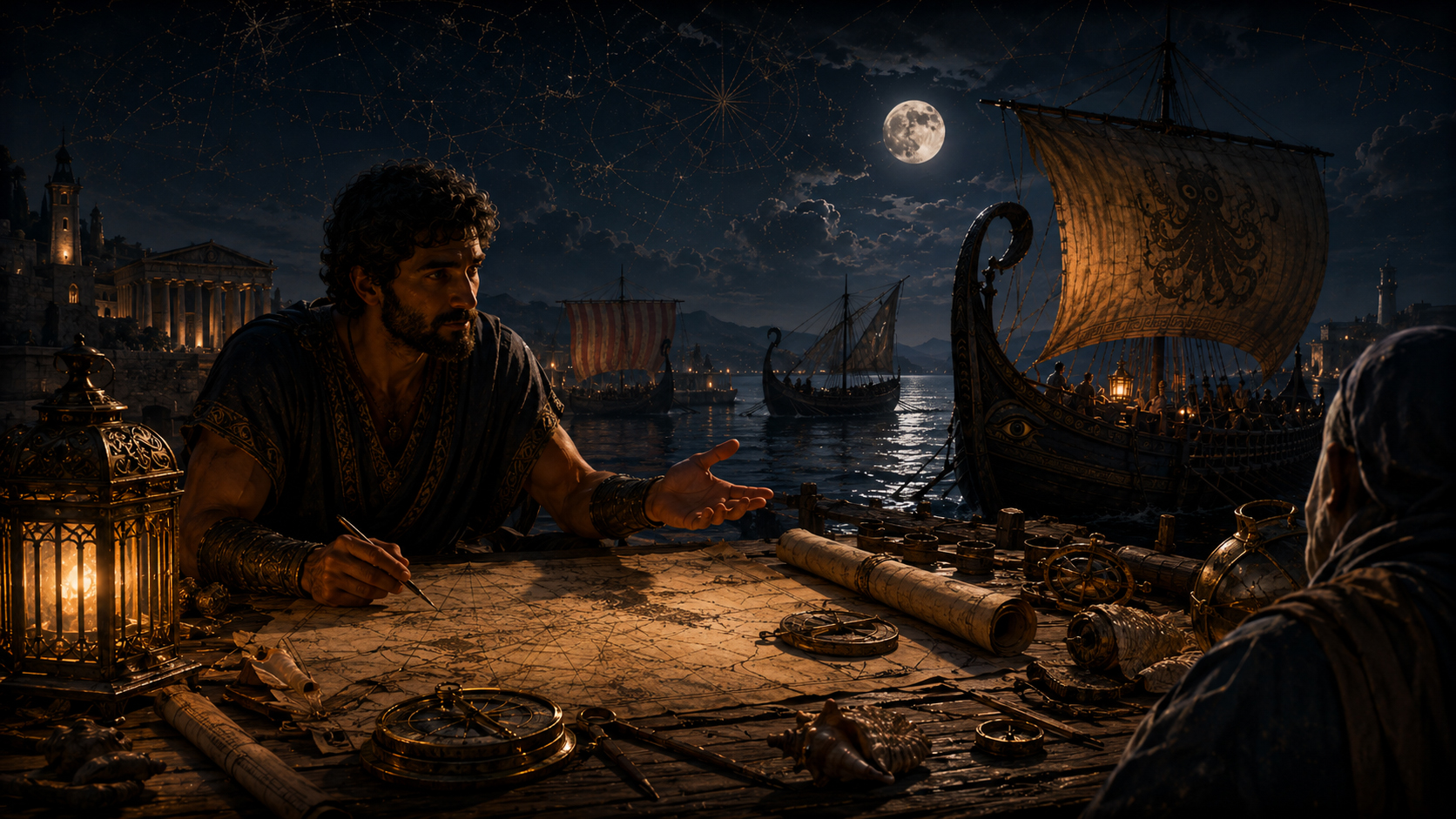
Common questions about the site, characters, myths, ships, navigation, and safety boundaries.
Read FAQPeople have always crossed dangerous water, told stories afterward, improved those stories, corrected them, ignored warnings, preserved warnings, and looked to the horizon anyway. AncientSailor.com is built from that old tension: the desire to sail, the need to remember, and the wisdom to tell the useful truth.